


The mind and body are in constant communication with one another, but we’re not always privy to their conversations. This isn't necessarily a bad thing, as many of these signals help keep us balanced and functioning without us noticing.
The problem many of us face with the mind-body connection is that when one system suffers, the other often does too. This can make it difficult to pinpoint whether certain health problems are solely physical, mental, or both. However, because the mind and body are so deeply intertwined, this also means that healing one system can actually heal the other one as well.
Let’s explore the mind-body connection to better understand how they’re connected, how they affect each other, and how targeted therapies can heal both the mind and body.
How Is the Body Connected to the Mind?
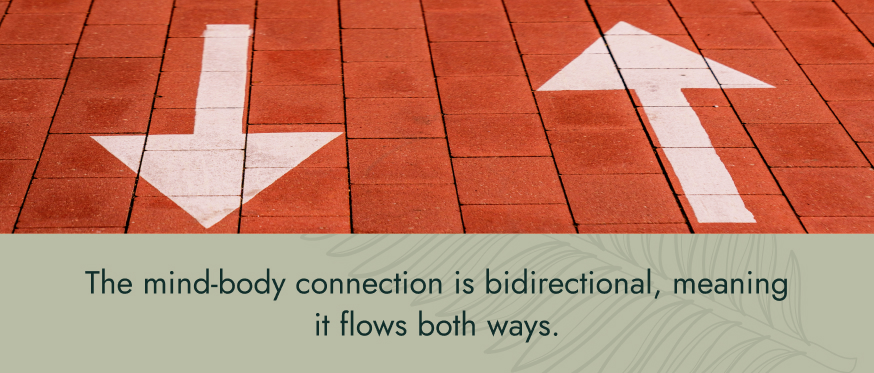
The mind is connected to the body through the brain, where it sends and receives information through neurotransmitters, hormones, and the nervous system. This connection is bidirectional, meaning it flows both ways.
Sometimes the mind-body connection is obvious, like when our mind enters fight or flight, and our body feels a sudden rush of energy. Other times, this connection goes completely unnoticed, like when someone physically feels better after taking a placebo drug.
Heal Your Body and Mind
Somatic-based therapy taps into the mind-body connection to heal trauma on a physical level. Learn more about Somatic-Based Therapy here at Sequoia.

Does Your Mental State Affect You Physically?
How you feel mentally can have a direct impact on how you feel physically. In fact, research has found that mental health factors like stress and trauma can have a profound influence on your overall health.
When you feel stressed, depressed, and overwhelmed, your mind sends signals to your brain to release hormones like cortisol and adrenaline. These hormones flow through your body, which can lead to physical symptoms like:
- Muscle tension
- Headaches
- Digestive issues
- Trouble sleeping
- Rapid heartbeat
- Chronic fatigue
The opposite is also true. When your body experiences pain or illness, it sends similar signals to the brain that trigger stress, anxiety, or depression in the mind. This interaction can create a cycle that intensifies both physical and mental symptoms.
Can Mental Health Problems Make You Sick?
Many mental health problems, such as anxiety, depression, and trauma, can make you feel physically sick. This often happens because mental health symptoms can manifest directly in the body. For example, chronic stress can trigger headaches, stomach aches, and fatigue that feel just like the flu, even though there’s no actual physical illness.
Chronic stress and anxiety can also increase your chances of getting physically sick. When your mind is in a prolonged state of fight or flight, your body has to work much harder than it’s meant to. Over time, this can weaken the immune system and make you more susceptible to illnesses like infections and cancer.

Related Blogs

What is Somatic Yoga?
Somatic yoga helps release trauma stored in the body. Learn why yoga is such a powerful tool to heal trauma

The Physical Manifestations of Anxiety
Anxiety is well-known to physical symptoms on top of psychological ones. Learn all about the physical symptoms of anxiety and how they affect each person.

Is Trauma Stored in the Hips?Is Trauma Stored in the Hips?
Trauma is often accompanied by many physical symptoms, hip pain being one of them. Learn how trauma affects the hips here.
Treating Mind-Body Health—How to Heal the Body and Mind
Mental health professionals can use the mind-body connection to treat a wide range of physical and mental health symptoms. Targeted therapies, like somatic-based therapy, engage both the body and mind to help them heal together.
Somatic-Based Therapy
Somatic-based therapy taps into the mind-body connection to heal trauma on a physical level. This approach uses four methods to help the body and mind respond to stress in healthier ways:
- Increased Bodily Awareness - Noticing the sensations you feel throughout your body
- Titration - Pausing to assess the body and re-center
- Resourcing - Looking for positive emotions and physical sensations
- Pendulation - Moving between trauma response and calm
When someone goes through trauma, their body physically reacts to the stress. This can show up as muscle aches, fatigue, and digestive issues. If the trauma isn’t processed correctly, these physical reactions can persist long after the traumatic event occurred.
Somatic Yoga
Somatic yoga also helps release trauma from the body through the mind-body connection. This yoga practice focuses on deep healing through releasing tension, positive thinking, and visualizing pain leaving your body.
In a trauma-healing setting, the instructor will guide you to dig deeper. You’ll spend time scanning your body and emotions, and then spend time working through why you feel that way. Rather than working to clear your mind, you focus only on your experience.

Neurofeedback Therapy
Neurofeedback helps you understand the mind-body connection in an entirely different way. It shows you real-time images of brain activity as it responds to thoughts, emotions, and external stimuli.
This innovative approach to therapy teaches the brain to respond the way you want it to. By observing how the brain responds to positive or negative feedback, you can learn how to control stress reactions, improve focus, and strengthen emotional regulation.
Sound Baths
Sound baths are a form of meditation that use the vibrations and tones of various instruments to create a therapeutic mind-body experience. They work by activating the parasympathetic nervous system and helping the body enter a deeply relaxed state.
A study published by the National Institutes of Health assessed participants’ physical and mental health symptoms after sound bath therapy. The results showed significant improvements in mood, tension, anxiety, and physical pain.
Sound baths are a great example of how relaxing and healing the mind can reduce physical stress and discomfort through the mind-body connection.
Heal the Body and Mind at Sequoia
At Sequoia Behavioral Health, we guide clients in exploring the mind-body connection through evidence-based therapies and holistic approaches. Our compassionate team helps clients reduce stress, manage physical and emotional symptoms, and restore balance in their daily lives.
Reach out today to connect with one of our team members and begin your healing journey.
Learn More

Somatic-Based Therapy
Somatic-based therapy is a holistic, body-focused treatment modality that helps resolve both physical and psychological trauma symptoms.

Neurofeedback
Neurofeedback shows individuals and their therapists real-time images of brain waves they can use to manage and gain control of stress responses.

Sound Baths
Sound baths treat a variety of mental health concerns by connecting the mind and body. Specific sounds help slow breathing and heart rate to induce calmness.
Whether you’re experiencing addiction, a mental health crisis, or a dual diagnosis, Sequoia is here to provide holistic treatment options for all kinds of mental health struggles.