


Building a support system is one of the most crucial yet often overlooked steps in protecting your mental health. It often feels like you either naturally have support or you don’t, but in reality, these things need to be built and maintained.
Whether you’re managing anxiety, depression, or navigating addiction recovery, learning how to build a support system gives you a foundation of stability. A strong social support network doesn’t mean you’ll never struggle; it means you won’t have to struggle alone.
Importance of a Support System in Mental Health
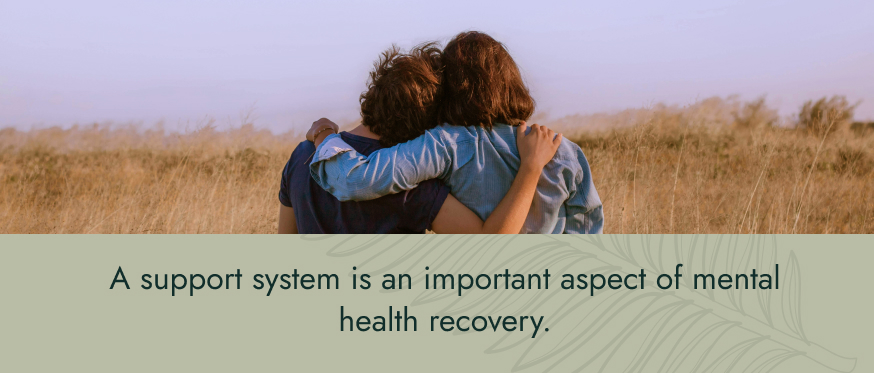
The importance of a mental health support system cannot be overstated. Research consistently shows that people with reliable social support experience lower stress levels, better emotional regulation, and improved treatment outcomes.
A healthy support system can:
- Reduce feelings of isolation
- Provide accountability during difficult times
- Offer perspective when thoughts feel distorted
- Reinforce healthy coping skills
- Increase motivation to stay engaged
Mental health challenges often convince people to withdraw. However, this often worsens symptoms. A support system acts as a protective buffer by helping you stay grounded when times get difficult.
Have questions about Sequoia’s treatment process? Wondering if treatment is right for you or a loved one? Contact us to get your questions answered.

How Do I Build a Support System for My Mental Health Treatment?
Building a support system is a process, not a one-time decision.
Start small. They don’t need to be large to be effective. Even one or two trustworthy people can form the core of meaningful support. Over time, that network can grow to include friends, family, peers, and professionals who play different roles.
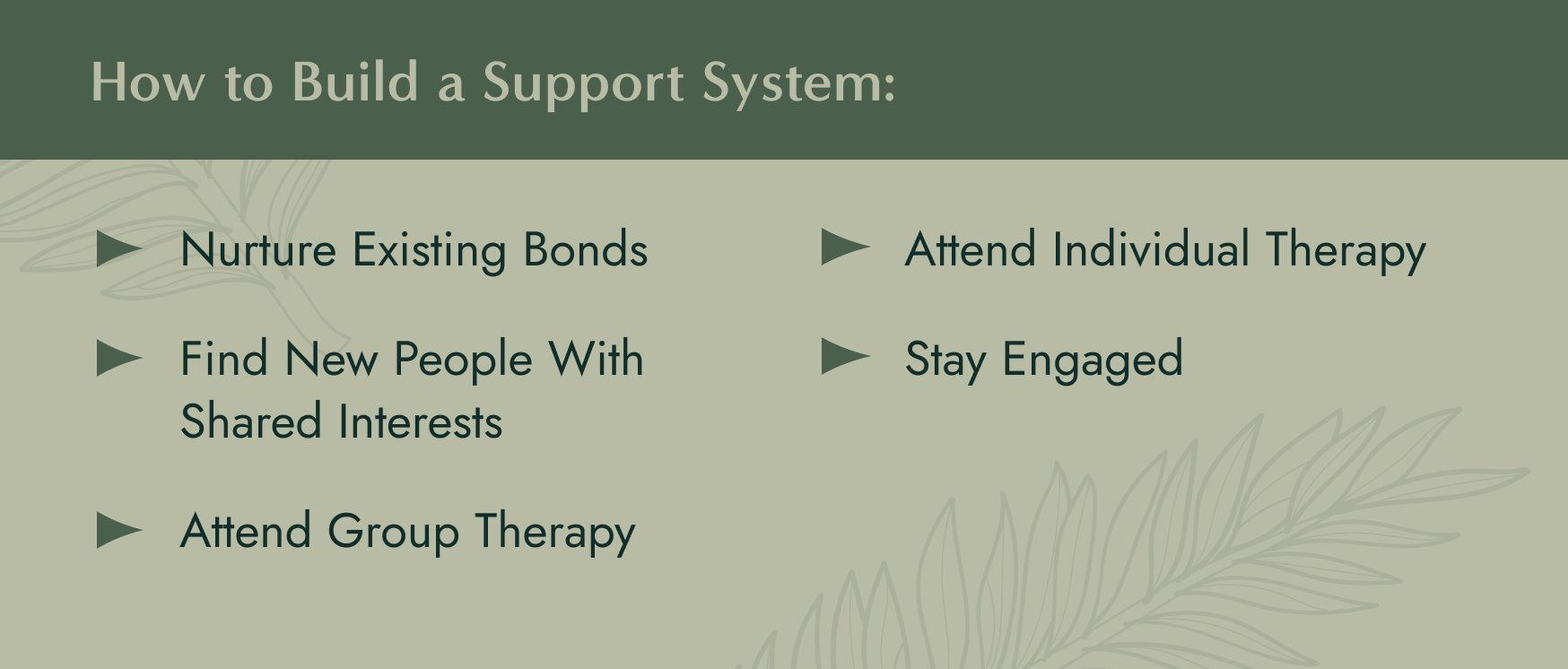
Nurture Existing Bonds
Take stock of the relationships you already have. Is there someone in your life who has shown empathy, consistency, or concern for your well-being?
Seek those relationships out and nurture the bonds that already exist by:
- Being honest about what you’re going through
- Asking directly for support when you need it
- Expressing appreciation for their presence
You don’t need to share every detail. Even simply letting someone know you’re “having a hard week” can open the conversation and receive support.
Find New People With Shared Interests
This might be tough for some, and it may feel uncomfortable at first. Building new connections while managing mental health struggles is intimidating. This step might be easier when things are going well.
Meeting people with shared interests will help you find meaningful friendships.
You can meet new people in many places, including:
- The gym: Group classes or training sessions can create routine social interaction
- A church or spiritual community: Many spiritual communities offer opportunities to meet in smaller groups and even volunteer
- Volunteering: Helping others builds purpose and connections
- Starting a book club: This sets a routine and sets conversations around a specific book
Attend Group Therapy
Group therapy provides a unique form of connection. It allows you to share experiences with others who are facing similar struggles, reducing feelings of isolation. Listening to others can also help you gain perspective into your own patterns and remind you that recovery is a process.
Group therapy often becomes a cornerstone of a strong support network, especially during addiction recovery or intensive mental health treatment.
Attend Individual Therapy
Individual therapy plays a different, but equally important role in your support system. Therapy offers a private, consistent space to work through emotions, build coping skills, and address everyday challenges.
Your therapist isn’t a friend, but they are an unbiased third party who is able to provide feedback and give you a greater sense of perspective on whatever you’re going through. They can help you identify gaps in your support system and develop strategies for strengthening it.
Stay Engaged
Support systems don’t build themselves, and they don’t maintain themselves either.
Even during easier times, staying engaged matters. Many people unintentionally disappear when they feel “better”, and only to feel alone again when things get hard.
Ways to stay engaged include:
- Sending regular updates or check-in messages
- Scheduling time to get together individually and as a group
- Showing up consistently, even when you don’t feel like it
- Just living life with the people in your group
Connection deepens through shared experiences, so make moments.
Related Blogs

What Does a Mental Health Support Group Look Like?
Support groups can be a helpful way to find support for mental health struggles from a community of like-minded people. Learn what to expect here.
Who Should Be in My Recovery Support System?
It is especially important to ask who will and won’t be in your support system. They can be critical for maintaining mental health and even more so during addiction recovery.
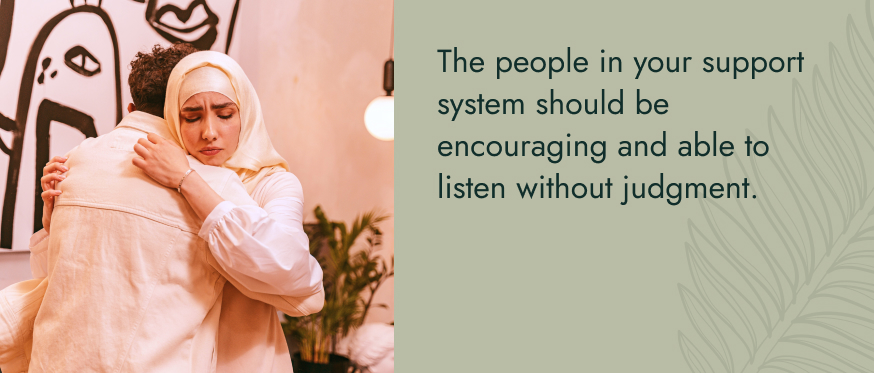
The People in Your Support Group Should Be:
- Committed to supporting you
- Encouraging, even when progress feels slow
- Able to listen without trying to fix everything
- Engaged in your recovery, not dismissive of its importance
There is no such thing as a perfect support person, but there are red flags to be aware of.
Red Flags in a Support Person:
- Using judgment language
- Nagging or controlling behavior
- Doubting your recovery efforts
- Comparing your progress to others
Anyone can be part of your support system: friends, family, peers, or professionals. However, they should be willing to listen without judgment and respect your recovery process.
Long-term Support From Sequoia Behavioral Health
People who attend treatment from Sequoia Behavioral Health receive a robust aftercare plan, including plans for building support and continuing care.
If you or a loved one is seeking mental health treatment for addiction and mental health issues, contact Sequoia Behavioral Health to learn if we’re a good fit.
Learn More

Group Therapy
In group therapy, individuals can learn, grow together, and experience meaningful support through psychoeducation, recreation, and community development.

Support Groups
There are support groups across the country that meet to talk, process, and live out their mental health recovery journey, as well as other issues.

Recreational Therapy
Sequoia Behavioral Health offers Recreational Therapy which uses games, movement, art, nature, and other positive activities to aid the recovery process.
Learn about our admissions process and whether Sequoia is a good fit for your mental health and addiction recovery needs.