When Anxiety Lives in the Body

A free somatic guide to understanding your nervous system and responding to anxiety

Who are you reaching out for?

Anxiety does not always begin with a worried thought. Sometimes, the body registers a sense of threat before the mind has language for what is happening.


You may notice a racing heart, shallow breathing, muscle tension, nausea, restlessness, irritability, difficulty concentrating, or a persistent feeling that something is wrong even when you cannot identify an immediate danger. For others, anxiety may appear less like panic and more like exhaustion, emotional numbness, avoidance, or a need to remain constantly busy or in control.

These responses do not mean that you are failing to manage your emotions. They often reflect a nervous system attempting to anticipate danger, mobilize protection, or prevent the recurrence of something it has learned to experience as threatening. These responses do not mean that you are failing to manage your emotions. Anxiety can develop for many reasons, including biological vulnerability, chronic stress, traumatic experiences, learned associations, and repeated patterns of avoidance or anticipating danger. At times, anxiety functions as a protective response; at other times, the body may react to a perceived threat even when immediate danger is not present.

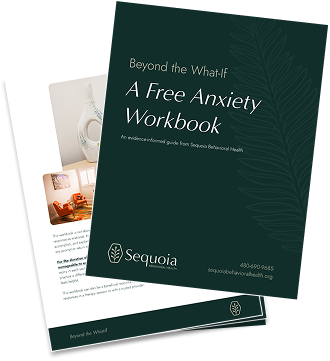
When Anxiety Lives in the Body is a clinically informed guide developed through a trauma-informed, somatic lens. It explores the relationship between anxiety, the body, and the nervous system while introducing gentle practices for noticing activation, identifying sources of support, and reconnecting with the present.
The goal is not to force your body into a state of calm. It is to better understand what your nervous system may be responding to and to develop a more compassionate, flexible relationship with those responses.

Inside the guide, you’ll explore:

  • Why the body may continue to experience anxiety even when you intellectually know you are safe
  • How fight, flight, freeze, and shutdown responses can emerge in everyday life
  • The difference between grounding yourself and suppressing an emotional response
  • How to recognize your earliest signs of nervous-system activation
  • Gentle practices for orienting, resourcing, and reconnecting with the present
  • How to work within your own capacity rather than pushing through overwhelm
  • When additional therapeutic support may be helpful

You do not have to fight your nervous system.

The body’s protective responses are NOT inherently dysfunctional. They often developed in response to experiences, environments, or relationships in which vigilance, withdrawal, control, or rapid action served an important purpose.

Over time, these responses can continue to activate in situations that could resemble earlier experiences, even when the present circumstances are different. This can leave you feeling as though your body is reacting more intensely than the moment is actually requiring.

Healing does not begin by judging or overpowering these responses. It begins by approaching them with curiosity: 
What is my nervous system noticing? 
What might it be anticipating? 
What would help me feel more supported in this moment?

With appropriate support and repeated experiences of safety, the nervous system can gradually develop a greater capacity to remain present, recover from activation, and respond with more flexibility.

Download the complimentary guide to begin exploring anxiety through a more compassionate, clinically grounded, and body-aware lens

Fill out the form below to receive the full resource guide.

We respect your privacy. Your information will not be shared with your employer or used to contact anyone without your permission.

Thank you! Your submission has been received!
Oops! Something went wrong while submitting the form.

Getting Help Doesn’t Mean Walking Away From Your Career

Many people delay treatment because they’re afraid of losing their job, disrupting their income, or being judged at work. Depending on your circumstances, employment protections and financial benefits may be available. This guide will help you understand the questions to ask and begin planning your next step with greater confidence.