



If you’re like millions of other people, you struggle to take care of yourself. Life is busy, and it’s easy to lose sight of what matters.
Taking care of your mental and physical health is invaluable for taking care of the people you love most and living a holistic life.
It may seem impossible now, but establishing a self-care routine may be easier than you think. It doesn’t have to be a long, drawn-out process. Taking simple, small, actionable steps can start you on your way.
In this article, we’ll give you a toolkit of daily self-care activities you can use to start taking care of yourself.
Q&A Journaling
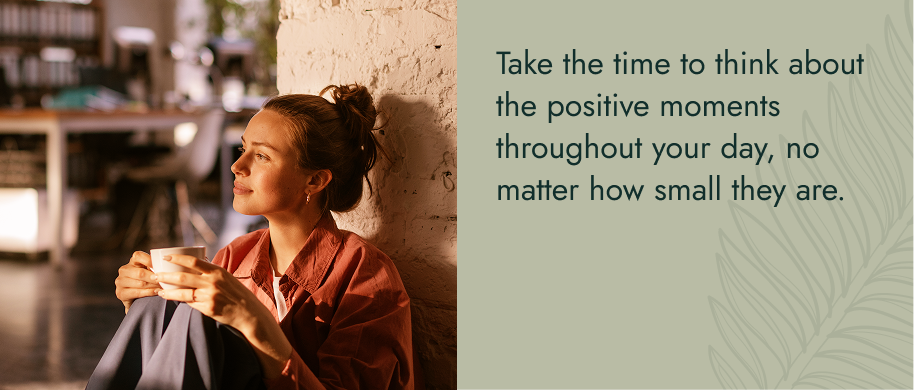
Journaling doesn't have to be a recap of everything you’ve done. In fact, the benefits of journaling can be felt with a short and intentional question-and-answer format.
There are products out there you can use, or you can use the same questions daily. Questions you can use include:
- What’s one thing you’re grateful for?
- What’s one thing that made you laugh?
- Is there anyone you’re grateful for today?
- What do you want to do today?
- Did anything make you proud today?
A great place to start on this is just answering “what’s one thing you’re grateful for today” every day. This gets your mind focused on the positive.
Looking For a Place To Turn?
Sequoia Behavioral Health provides individualized, holistic treatment for people experiencing addiction and other mental health concerns. Find a place where you can heal.

Go For A Walk
A short walk around the block can clear your mind, boost your energy, and keep your body healthy. This doesn’t need to look like a hike, but it should be regular.
A 10-minute walk on its own will be beneficial, but if you add mindfulness to the equation, it will increase the benefits. One way to practice mindfulness is to focus on what you’re observing, including:
- What do you smell?
- What do you hear?
- What do you see?
- What do you feel?
Getting into these questions while you walk will give your mind a break from stress and help ground you.
Read a Book
We were all taught the importance of reading in elementary school. It’s a helpful way to keep your mind sharp and just enjoy yourself.
The mental benefits of regular reading include:
- Taking a break from screens
- Relaxation
- Increasing emotional intelligence
- Healthy escapism
- A boost in confidence
- Cognitive stimulation
Like everything in this post, start small. You don’t need to read The Count of Monte Cristo to get the benefits of reading. Easy-to-read books that you’re interested in are better than books that feel like homework. If you’re having a hard time finding books, check your local library.
Intentional Breaks
When used well, short, intentional breaks can give you the space you need to clear your head and get rid of built-up stress.
Instead of taking a break on your phone, take 5 minutes to reground yourself through micromeditations.
- Think about how you feel
- Consider what you see
- Focus on your breathing
The goal with this one is to make your time count. Rather than simply passing the time, use these moments to ground yourself and feel refreshed before continuing with your day.
Breathing Exercises
Breathing exercises are a great tool for your self-care kit. They can be used while walking, while on a break, or while working. Breathing exercises include:
- 4-7-8 breathing: Inhale for 4 seconds, hold your breath for 7 seconds, and exhale slowly for 8 seconds.
- 5-finger breathing: Trace the outside of your hand and breathe in while going up and out while going down.
- Bellows Breath: Inhale through your nose for 4 seconds, hold for 4 seconds, exhale for 4 seconds, and hold for 4 seconds.
Breathing exercises help people focus on the present moment and ground themselves.
Tidy Up
A clear space supports a clear mind. Taking a couple of minutes to clear off your desk or counter or reorganize a single shelf can reduce stress, boost your mood, and restore a sense of control.
Start by cleaning up smaller spaces before they become out of hand. A quick refresh can go a long way.
Nutrition
This is one of the larger commitments on this list. However, if you’re able to add a healthy diet into your daily self-care routine, you’ll be well on your way to a healthy life.
Nutrition fuels both your body and mind. Feeding your brain a healthy diet will improve your mental health. When you think about nutrition as self-care, you’re shifting your approach.
It’s not about a complex meal plan, but about making intentional choices that support your mental health. Here are some tips for using nutrition as self-care:
- Start your day with a nourishing breakfast: Starting your day with fruit, nuts, grains, seeds, and some yogurt can go a long way.
- Plan your snacks: 1 chip is never enough. Instead, prepare snacks that include protein and fiber, such as mixed nuts, cheese sticks, or hummus with baby carrots.
- Eat slow: Eating can also be done mindfully. Really engage with your food as you eat it. Consider the texture, how many bits you’re taking, and connect with your body to understand what it needs.
Hydrate
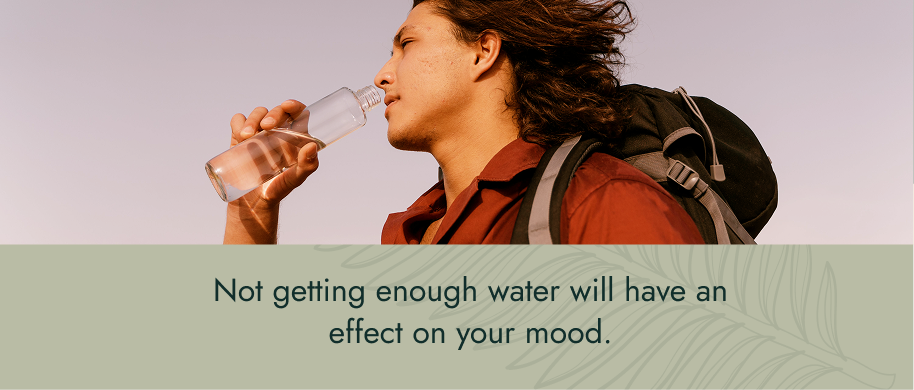
47% of Americans don’t drink enough water. However, water is one of the most important things your body needs. Just like food, your body and mind need it to function properly.
Here are practical routines you can build into your day to make sure you’re staying hydrated:
- Start your day with a glass of water
- Carry a water bottle
- Set a hydration goal (deplete my water bottle 3 times)
There’s no universal recommendation for water intake, but depending on who you are, you could need between 92- 125 oz of water.
Yoga and Mindful Movement
Finally, yoga and mindful movement are a huge tool in your toolkit.
Yoga combines breathing, meditation, and movement to reduce stress and nurture the nervous system. When practiced regularly, yoga can improve your strength, balance, and flexibility. If your body feels healthy, your mind will too.
You don’t need expensive clothes or a gym membership to get started in yoga. All you need is a handful of beginner-friendly poses you can rotate through.
Beginner-friendly poses include:
- Mountain
- Eagle
- Warrior 1 & 2
- Crescent lunge
- Tree
- Triangle
- Child’s pose
- Cobra
- Bridge
- Corpse
Move slowly between poses and think about the sensations your body is feeling. It should feel meditative and, in some cases, a little challenging. Breathe through each pose and take it slowly.
Related Blogs

Self-Care For Depression: 7 Tips to Get You Through
It’s easy to neglect self-care when you're battling depression. Discover how to care for your physical and mental health with these 7 effective tips.

Mindfulness Breathing Exercises
Breathing exercises have many benefits in regards to your mental and physical health—from relieving stress and anxiety, to regaining your daily energy.

What Does it Mean to be Grounded?
Being grounded is a result of mindfulness and emotional regulation and stability. Learn what it means and how to get there.
Self-Care as Part of a Holistic Life
Self-care is just a part of living a holistic, healthy life. At Sequoia Behavioral Health, we offer personalized treatment for people experiencing addiction and other mental health concerns.
While receiving treatment here, people will engage in individualized therapy, group therapy, and recreational therapy.
As part of treatment, we help people develop self-care habits that can support their well-being beyond treatment.
If you’re looking for a place you can recover and receive treatment for a mental health condition, contact Sequoia Behavioral Health.
Learn More

Recreational Therapy
Sequoia Behavioral Health offers Recreational Therapy which uses games, movement, art, nature, and other positive activities to aid the recovery process.

Mindfulness-Based Cognitive Therapy
Mindfulness-Based Cognitive Therapy mixes CBT with mindfulness practices to help clients become more aware of their emotions, thoughts, and behaviors.

Sound Baths
Sound baths treat a variety of mental health concerns by connecting the mind and body. Specific sounds help slow breathing and heart rate to induce calmness.
Free Yoga for Outpatient Clients
As part of our holistic treatment philosophy, we provide outpatient clients with a free 90-day membership to Spiritually Fit Yoga Co-op in Scottsdale.