
You’ve probably seen the billboards and heard the news: fentanyl is dangerous, and overdose deaths from it have grown to epidemic proportions. It’s a scary thing to wrap your head around. But why exactly is this drug so dangerous?
We’re here to help you understand just how deadly fentanyl is, and why this epidemic seems to be gaining momentum.
What is Fentanyl?
Fentanyl falls into a class of narcotics called opioids that are synthesized in labs. Synthetic opioids bind to certain receptors in the brain that cause numbing sensations throughout the body. Other opioids include oxycodone (Percocet), hydrocodone (Vicodin), and methadone.
Opioids are related to opiates. These include heroin, morphine, and opium. What is the difference between opioids and opiates? While they have the same effects and bind to the same receptors, opiates are naturally derived from the poppy plant. They are also much older than opioids and harder to produce. Opium in particular has been around for over 7000 years.
Medical Uses of Fentanyl
Fentanyl, like many other opioids, was created for the medical field. It is still used today under close medical supervision.
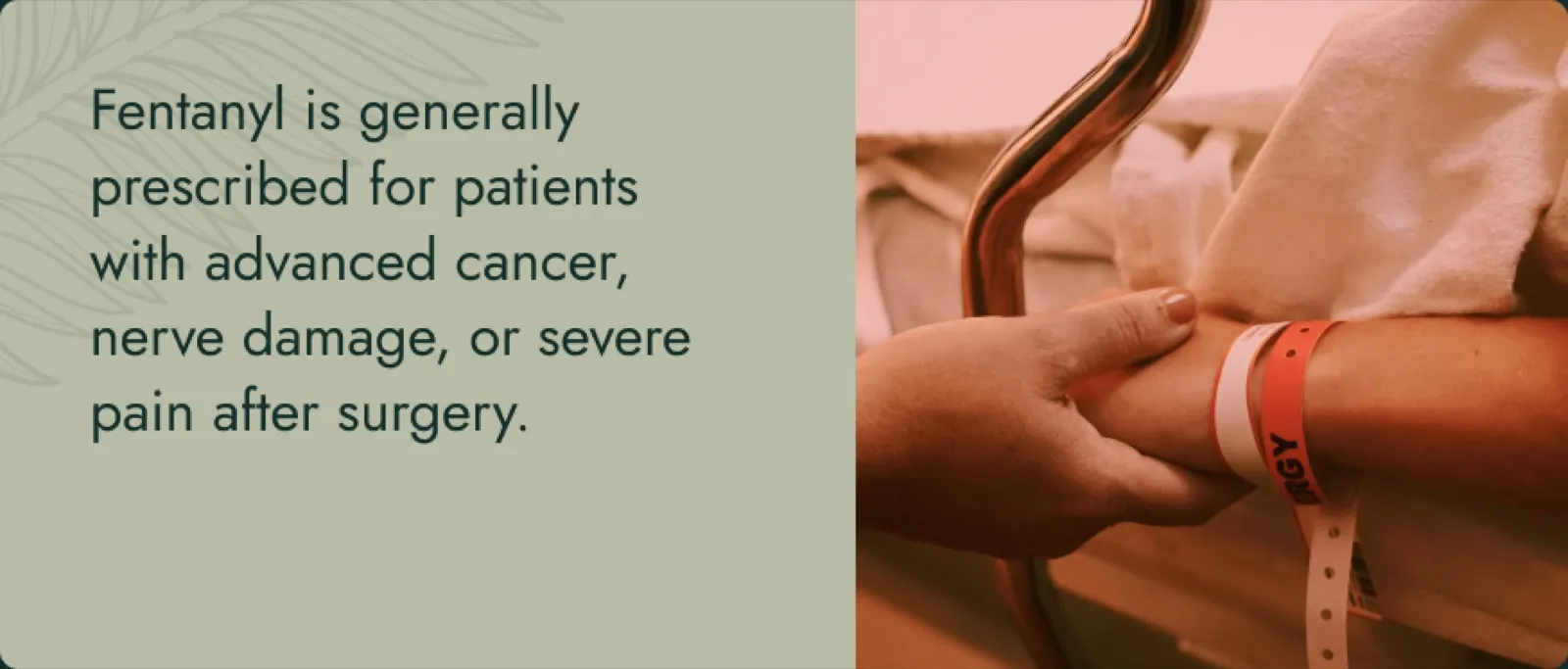
Like other opioids, it is a powerful analgesic, or pain killer. Fentanyl is generally prescribed for patients with advanced cancer, nerve damage, or severe pain after surgery.
Hospitals will typically inject it, but it has a variety of possible ways to enter the body. Prescriptions may come in the form of adhesive patches, pills, lozenges, or nasal spray. Because of how potent fentanyl is, it’s most often prescribed only after other pain management drugs have failed.
How Fentanyl Works
Every person’s brain is full of nerves that talk via chemical messengers called neurotransmitters. These neurotransmitters bind to specific receptors on each nerve and have specific duties, like telling the brain that you are hurt, or that something good or bad has happened and to change your mood.
For Pain Management
When an opioid is presented to the body, it binds to specific opioid receptors, and gets in the way of a few different functions. The first is that of pain. When the opioid binds to an opioid receptor, it stops that nerve from passing the message that your body is in pain. It is basically telling your brain “nothing to see here.”
How it Enhances Mood
Opioids also heighten your mood, giving you an almost euphoric feeling. GABA (gamma-aminobutyric acid) is an inhibitory neurotransmitter that tells your brain when it’s time to stop any number of emotions or functions. The neurons that are controlled by GABA lie in the ‘reward center’ of your brain.
This reward center is responsible for all the good feelings you might have. The neurotransmitter dopamine in particular makes you happy and relaxed. When it’s time to calm down, GABA stops the release of dopamine, regulating your mood.
Opioids keep this process from happening. When in your system, opioids are responsible for flooding your brain with dopamine, far more than it would ever do on its own. This gives the opioid user intense, elated feelings that characterize an opioid high.
Side Effects of Fentanyl
Besides pain relief and euphoric side effects, fentanyl has other effects on the body—even when taken according to medical guidance.
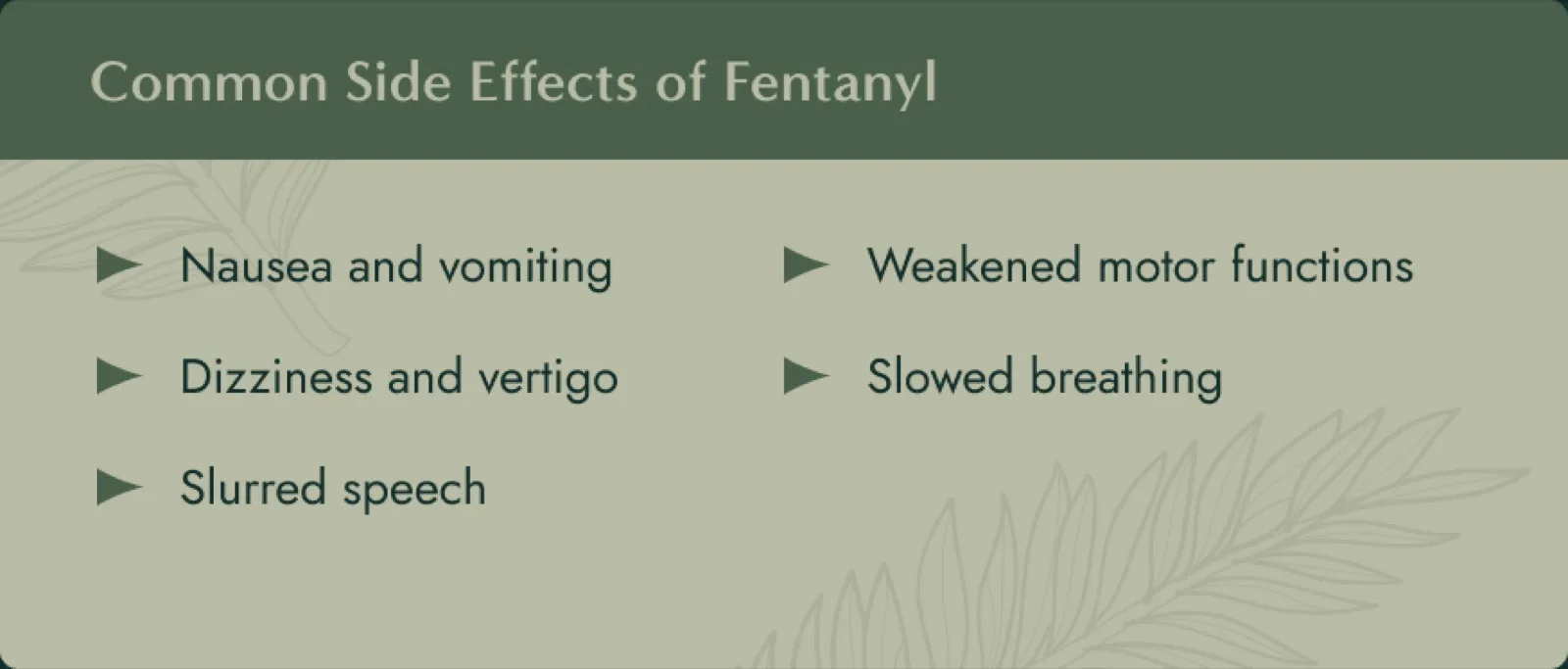
The fact that fentanyl shuts down pain signals also means it shuts down other signals, too. Fentanyl and other opioids can cause constipation, fatigue, and loss of appetite. Other common side effects include:
- Nausea and vomiting
- Dizziness and vertigo
- Slurred speech
- Weakened motor functions
- Slowed breathing
In severe cases, fentanyl can rapidly lower your blood pressure to a dangerous level. See a doctor immediately if your muscles get stiff and you start to feel dizzy and nauseous.
Why Is Fentanyl So Dangerous?
The side effects of fentanyl don’t tend to be much more severe than a lot of medications. So why exactly are you hearing so many warnings about it?
Physically and Psychologically Addictive
Taking any amount of fentanyl puts you at extremely high risk for dependence. Your brain doesn’t know why its signals aren’t being received or why excess dopamine is released, but it still wants to function normally.
It will start to send extra signals and messages to make up for being suppressed, which causes more intense feelings of pain. Nearly all of the dopamine is taken back, causing feelings of depression. This creates a cycle of dependence on the drug where a person needs another dose to make the severe pain go away.
From there, the body will start to adapt and create a tolerance. The same dose of fentanyl won’t block the pain receptors as effectively or cause as much dopamine to be released. Misuse and abuse start when someone risks taking a higher dose just to feel the perceived benefits the same way that they used to.
Fentanyl Lethal Dose is Shockingly Small
This tolerance becomes especially dangerous considering how little fentanyl is used in medical settings, and how little could cause a fatal overdose.
As little as two milligrams of fentanyl can be fatal. To put that lethal dose into perspective, it takes an average of 30 milligrams of heroin to cause a fatal overdose. Fentanyl was created to be potent, and only used under medical supervision.
Illegal Manufacturing
Buying something from a sketchy website can lead to disappointment, but buying fentanyl on the street can be life-threatening. Illegal foreign drug manufacturers are producing fentanyl in secretive labs. Because they are illicit, these labs are not regulated, and create drugs that look legitimate, but are very dangerous.
They might ‘cut’ (mix) the fentanyl with things like baby powder to save on cost. Doing this only eliminates any certainty as to how much fentanyl you’re taking.
Mixing With Other Drugs
It’s not uncommon for illegal drug manufacturers to cut their illicit substances with household products to save money. However, they’re also known to combine multiple illicit drugs in a batch, so purchasing drugs illegally becomes a game of chance, where any amount could be more potent than you think it is, and cause an overdose.
This is often the case with fentanyl today. Dealers will count on the euphoric effects of fentanyl, and cut other drugs with it to draw people into their product. However, they usually do so without advertising it.
Many times, people don’t even know they are taking fentanyl. The lethal dose of fentanyl is usually significantly lower than that of whatever substance it is cut into. Thus, a person may take their regular amount of whatever drug they think they’re getting, and inadvertently overdose because they don’t know what concentration of fentanyl is included.

Fentanyl Overdose
The potency of fentanyl can lead to overdoses easier than other substances. They aren’t always fatal, and more can be done when they’re caught early, but they are extremely damaging.
Fentanyl Overdose Symptoms
Even if it doesn’t kill you, fentanyl overdose symptoms can still be dangerous. Signs of fentanyl overdose include:
- Constricted pupils
- Trouble breathing
- Vomiting
- Weakness throughout the body
- Loss of consciousness
- Cold skin
- Discoloration on lips and nails
If you suspect a person is overdosing on fentanyl, turn them on their side and dial 911 immediately.
How Fentanyl Overdoses are Treated
Opioid overdoses take special medical attention. Before medical care arrives, turning the person on their side will prevent them from choking on their vomit. If you can keep them awake and responsive, that will also buy time.
Medical professionals will inject the person overdosing with naloxone. This medication reverses the sedative actions of fentanyl, and can restore normal breathing in minutes. It’s worth noting that the general public is also allowed to have and use naloxone—not just doctors.
Fentanyl Statistics
Unfortunately, the statistics of fentanyl overdoses are grim. They’re not meant for shock value, but to demonstrate just how dangerous carelessly dabbling in opioids and obtaining them illegally can be.
According to the Center for Disease Control, opioids are the number one cause of overdose-related deaths. One hundred and fifty people die each day due to synthetic opioid deaths. From the spring of 2020 to spring 2021, over 100,000 people died in the United States from a drug overdose. Synthetic opioids, including fentanyl, caused 64% of these.
The Drug Enforcement Administration found that synthetic opioid deaths increased over 50% in a single year between 2020 and 2021. The DEA also found that nearly half of illegal fentanyl pills contained a lethal dose of it.
Why Is Fentanyl Overdose An Epidemic?
How did the creation of a painkiller devolve into a global crisis of addiction and overdose? Fentanyl isn’t the only opioid that has been at the forefront of this epidemic. The CDC outlines the opioid crisis in three waves. It all started in the 90s with a rapid uptick of opioid prescriptions. This led to increased deaths from prescription opioids.
In the early 2010s, heroin was the leader in opioid overdoses. Since 2013, synthetic opioids—fentanyl in particular—are the number one cause of overdoses. Most people that use illegal opioids were previously prescribed a legal one.
The truth is that fentanyl is cheaper and easier to come by through illegal means. The internet is a wonderful tool, but it’s made buying illegal drugs easier. People can even have them shipped to their door.
Medications for Opioid Use Disorder
Medications for opioid use disorder (MOUD) are among the most effective treatments for fentanyl addiction. They reduce cravings and withdrawal and lower the risk of overdose and death.
- Buprenorphine (often combined with naloxone, as in Suboxone) eases withdrawal and cravings and can be prescribed in an office setting.
- Methadone is a long-acting medication dispensed through licensed opioid treatment programs.
- Naltrexone (an extended-release monthly injection) blocks the effects of opioids. It can only be started after opioids have fully cleared the body.
Medication works best alongside therapy and support. Our psychiatric team can talk with you about whether medication is right for you and help coordinate care with a prescriber or treatment program.
Don’t Risk It. Get Help Today
Using any illicit drug comes with significant, deadly risks. Yes, fentanyl can be very helpful for people in extreme pain, but any type of misuse can lead down a dangerous path.
If you have a history of addiction, or think you may be at risk of it due to family history, make sure your doctor knows. Medical professionals understand the risks they take when prescribing opioids, and that they aren’t for everyone.
Recovery from addiction is possible. If you or a loved one are struggling with fentanyl use, or any other substance abuse, give us a call today. Our team are with you every step of the way. The diversified programs here at Sequoia Behavioral Health are meant to ensure you have the most successful journey to sobriety possible. Let’s begin healing.