
Residential treatment is a unique form of treatment that allows someone to truly focus on themselves and their mental health journey. If you have a loved one that is starting residential treatment, then you may be wondering how you can support them.
It can be hard for family members and friends to understand how they can continue to help their loved one while they’re in residential treatment. They have to find ways to strike a balance between providing sufficient support for their loved one and maintaining space for healing.
Let’s take a look at what residential treatment looks like to discover how you can support your loved one every step of the way.
What is Residential Treatment? What It Looks Like & How It Helps
Residential treatment allows individuals to receive intensive care in a structured and supportive environment. During residential treatment, clients stay at a live-in facility where they can receive around-the-clock care. This type of treatment is particularly beneficial for those that suffer from severe mental health conditions or substance abuse issues.
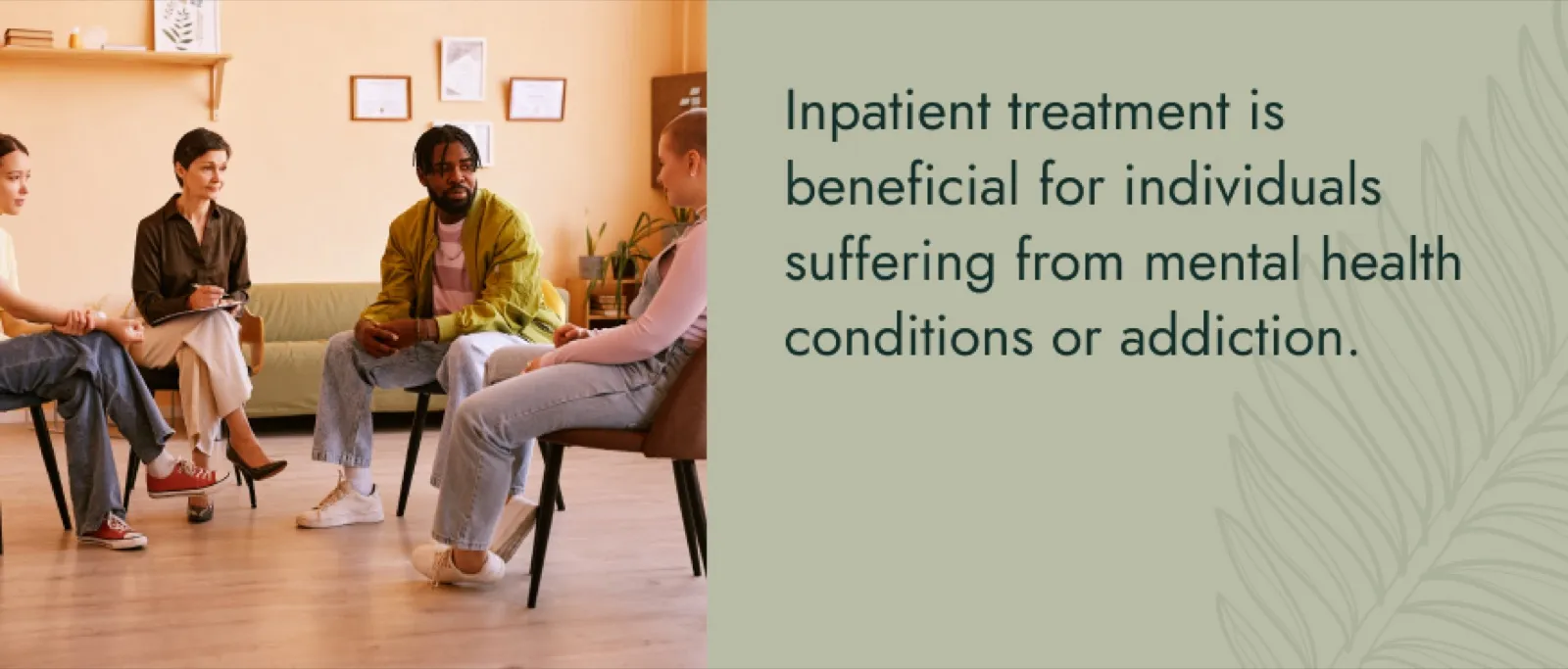
What Does Residential Treatment Look Like?
People that start residential treatment will begin their treatment with various assessments and evaluations. These assessments and evaluations are used to personalize a client’s treatment plan to fit their exact needs.
After assessing a client’s needs, they can then begin treatment orientation. Orientation familiarizes clients with the treatment facility, treatment rules, and what their treatment plan will look like. During orientation, clients will meet the staff and other clients in the residential program.
A client’s day-to-day life varies depending on the individual and their treatment plan. That being said, all clients will experience a similar routine with set wake-up times, meals, treatment times, recreation times, and rest times. Depending on the facility, clients may have their own rooms or shared rooms.
How Does Residential Treatment Help?
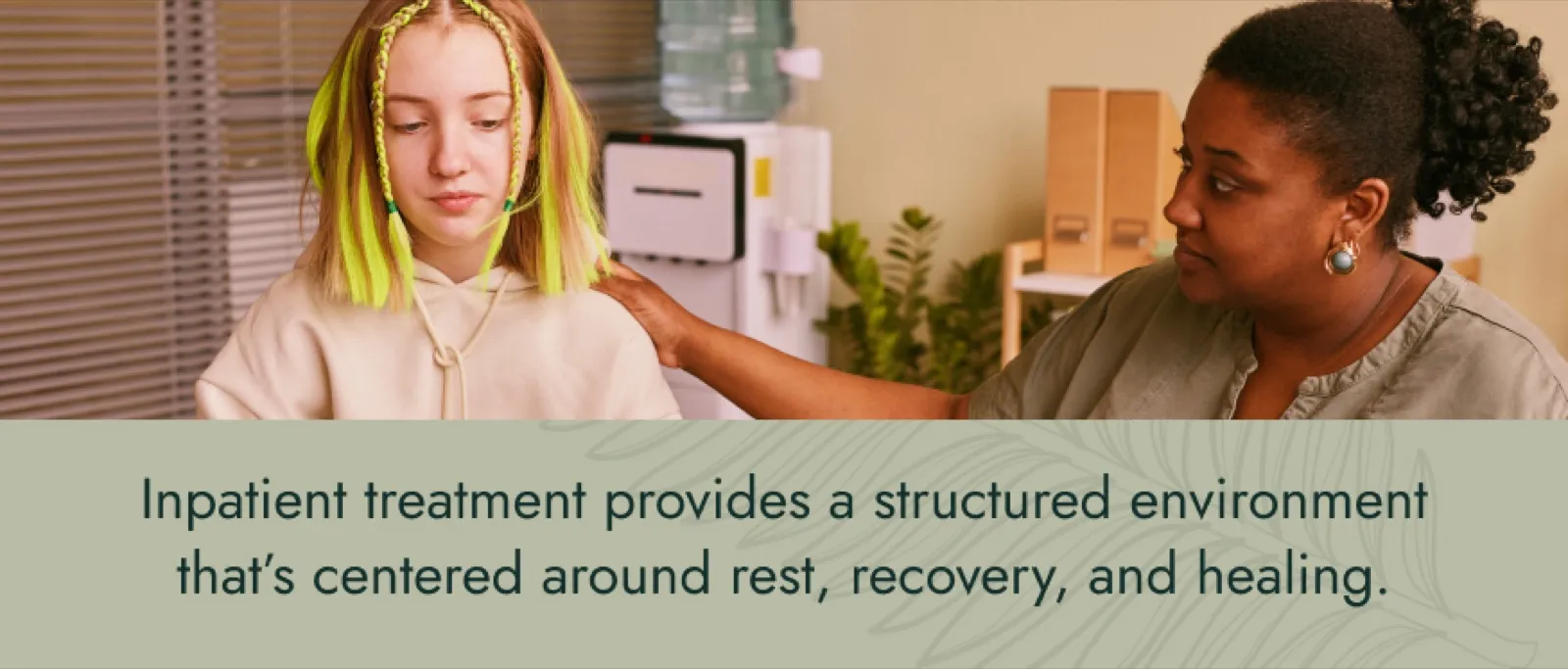
Residential treatment provides a structured environment that’s centered around rest, recovery, and healing. It allows individuals to separate themselves from the stress and pressures of the outside world to focus solely on their mental health journey.
Many residential treatment programs combine a variety of medical, therapeutic, and holistic treatments to provide individuals with comprehensive healing. Unlike outpatient treatments, residential treatment provides 24/7 supervision and support. This helps protect clients from harm and provides a safe environment for recovery.
Overall, residential treatment is a unique environment that helps individuals with severe mental health conditions achieve long-term mental wellness.
Read our related article to discover five benefits of residential treatment.
How to Support Someone During Residential Treatment—Helping Your Loved One Every Step of the Way
There are plenty of opportunities to offer support for your loved one in residential treatment. Although you may be worried about crossing boundaries, offering support is a great way to show that they have people rooting for them outside of treatment.
To help you identify how you can support someone in residential treatment, let’s take a look at ways you can help them before, during, and after treatment.
How to Support Someone Before Residential Treatment
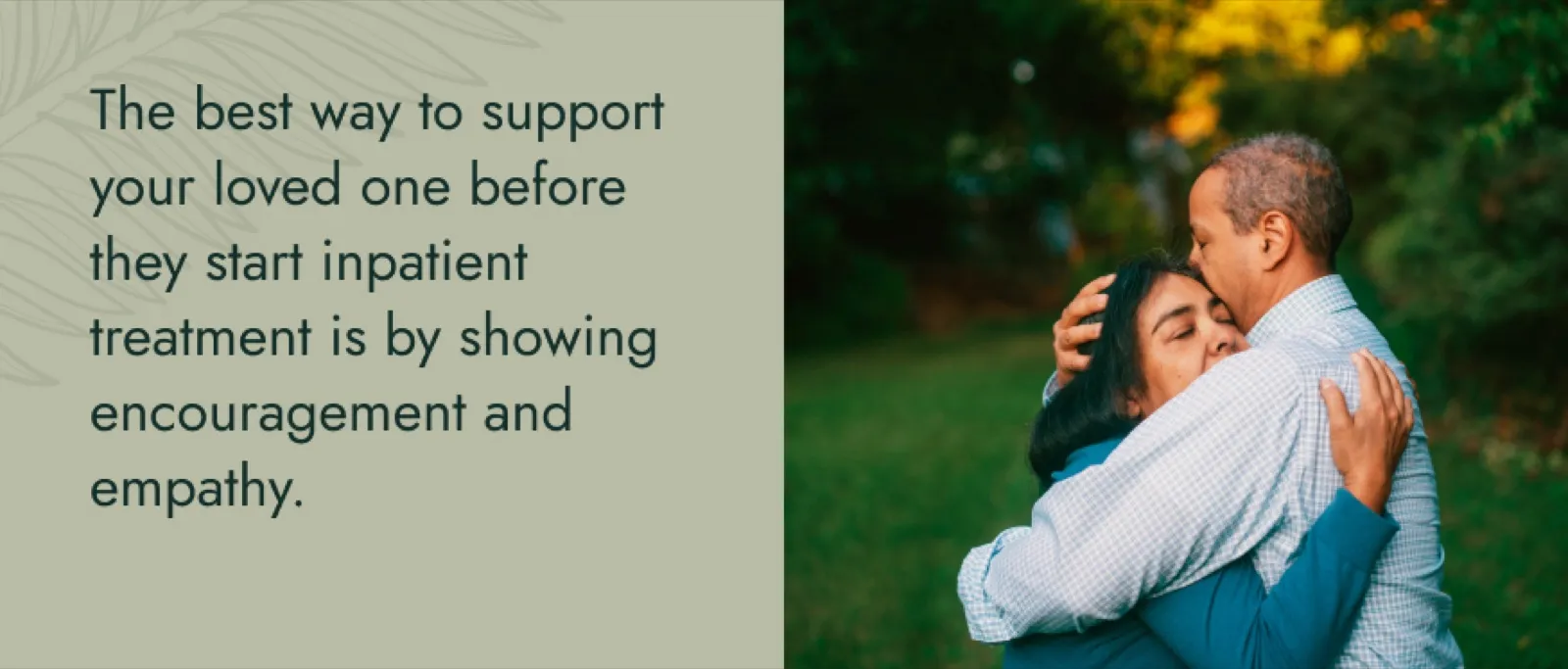
Before someone starts residential treatment, they will often struggle with anxious thoughts and nervous feelings. The best way to support your loved one before they start residential treatment is by showing encouragement and empathy.
Showing encouragement and empathy can help reduce their fear and anxiety. Residential treatment is a time for healing, but the uncertainty can feel intimidating at first. To show empathy and encouragement, you can listen to their concerns, validate their feelings, and offer reassurance.
Another way to support someone before they start residential treatment is by helping them with their arrangements. Help make sure they have transportation, important documents, and anything else they need to start treatment.
How to Support Someone During Residential Treatment
When your loved one is in residential treatment, it’s important to give them space while also staying connected. To strike this balance, you can make sure you’re available when they need you, but don’t pressure them to communicate if they don’t want to.
Depending on the residential facility, your loved one will be able to receive phone calls or letters. When communicating with them, it’s important to check in on how they’re doing, understand what they’re going through, and offer your love and support.
When your loved one is in a residential treatment program, you can support them by attending family therapy together. Family therapy helps families resolve conflicts and learn to create a better home environment for everyone. Attending family therapy can show your loved one that you’re in this together, and it can teach you effective strategies for supporting them on their healing journey.
Read our full guide on what you can expect during family therapy while your loved one is in treatment.
How to Support Someone After Residential Treatment
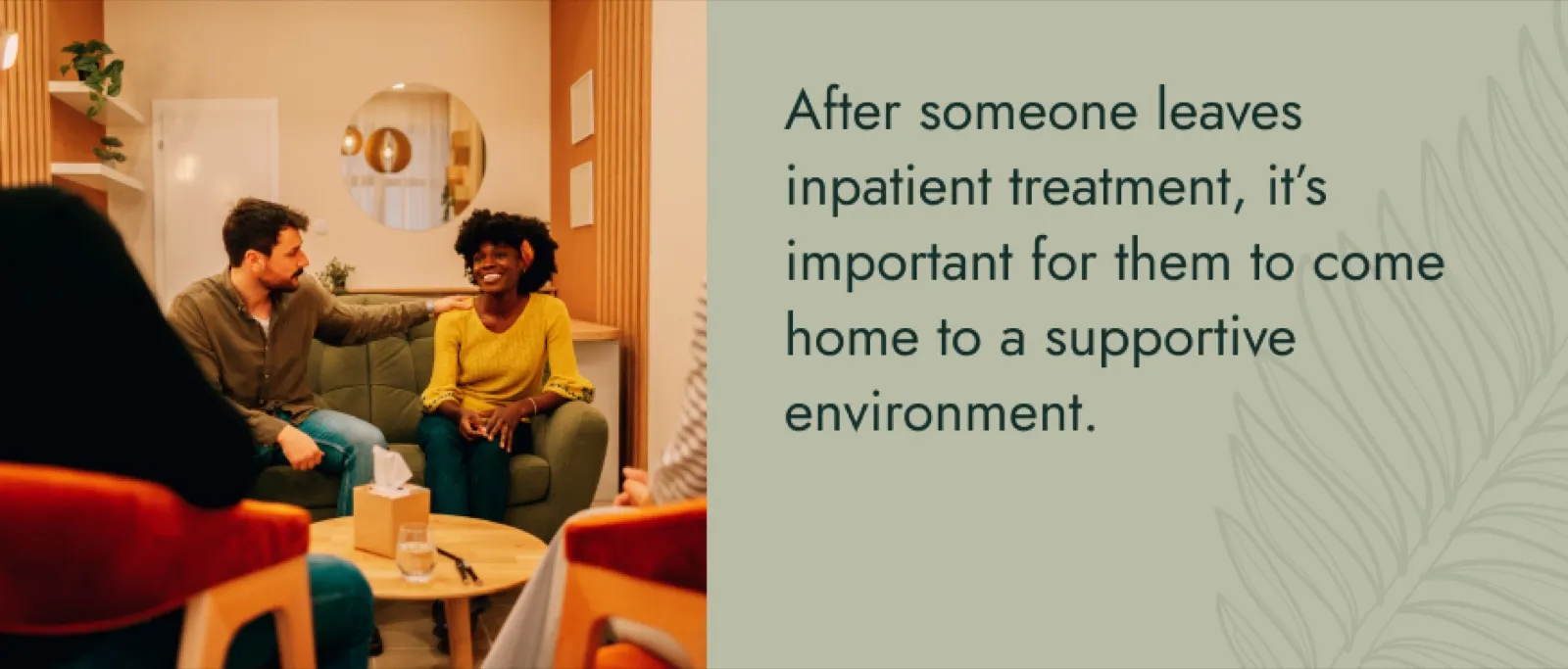
After someone leaves residential treatment, it’s important for them to come home to a supportive environment to continue the healing process. Try to create a calm environment that’s free from stress or emotional triggers, and continue to offer your love and support.
In most cases, people will continue their healing journey through outpatient treatment, therapy, and medication. You can support them through this by encouraging continued treatment and celebrating small victories and milestones.
Read our resources for families for more information on how to support your loved one in treatment.
Sequoia Behavioral Health—Ensuring a Successful Recovery
At Sequoia Behavioral Health, we designed our residential treatment program with rest and recovery in mind. We offer a variety of amenities and activities to support you on your healing journey and ensure a successful recovery. During your residential stay, our facility will be your home away from home.
If you or a loved one could benefit from our residential treatment program, reach out to one of our mental health professionals today.