
Sequoia Journal

Thoughtful guidance for life, treatment, and recovery.

Plain-language articles from a trauma-informed, person-first perspective.
  • Two young men close together, one resting his head on the other as the second glances to the side

    Relationships and Addiction Treatment Part 1: Rebuilding Relationships In Recovery

    Repairing relationships during treatment involves a lot of introspection and family therapy. Learn more about the first steps in rebuilding important bonds while you're still in treatment.

    Read Article
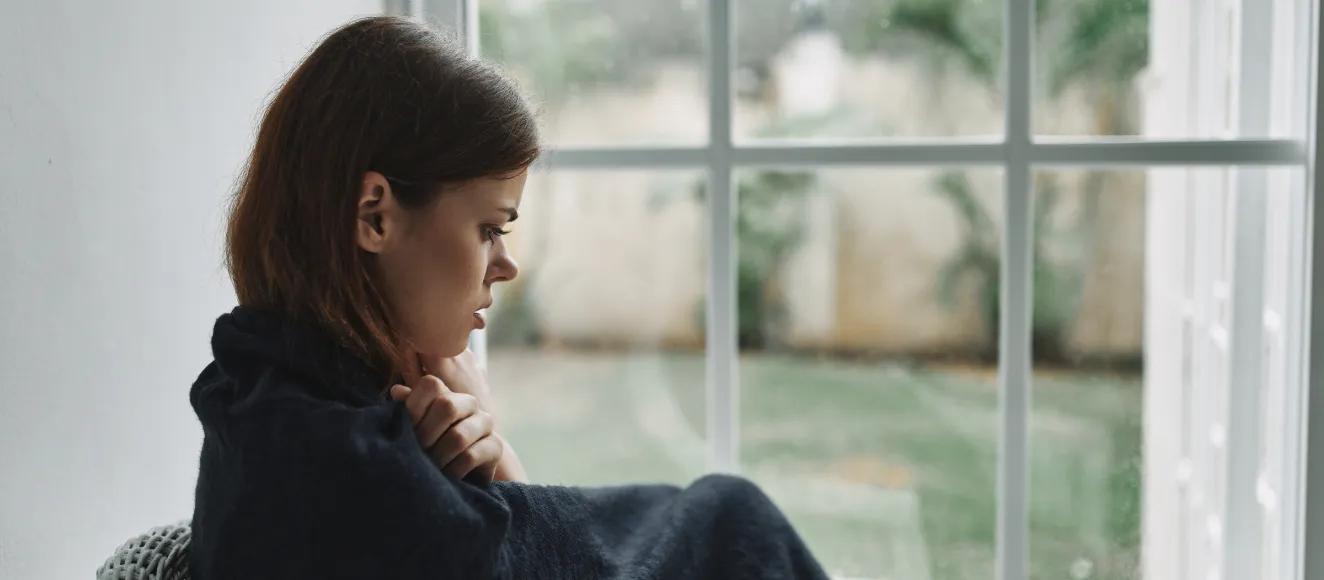
  • A woman wrapped in a dark blanket looks out a large window with a pensive expression

    The 4 Stages of Addiction

    The four stages of addiction is a popular way of understanding how addiction develops, and catching substance abuse habits early.

    Read Article
  • A woman sits on the edge of a bed in a dim, patterned room, looking away

    The Connection Between Trauma and Emotional Dysregulation

    Emotional dysregulation is a common symptom of PTSD, especially C-PTSD. Learn more about how the brain develops and how emotional dysregulation can be treated.

    Read Article
  • A single glowing light bulb hanging in a dark room

    What Happens When You Get Blackout Drunk?

    Drinking so much your brain doesn't record memories is called "blacking out." It can be a dangerous indicator of more serious problems.

    Read Article
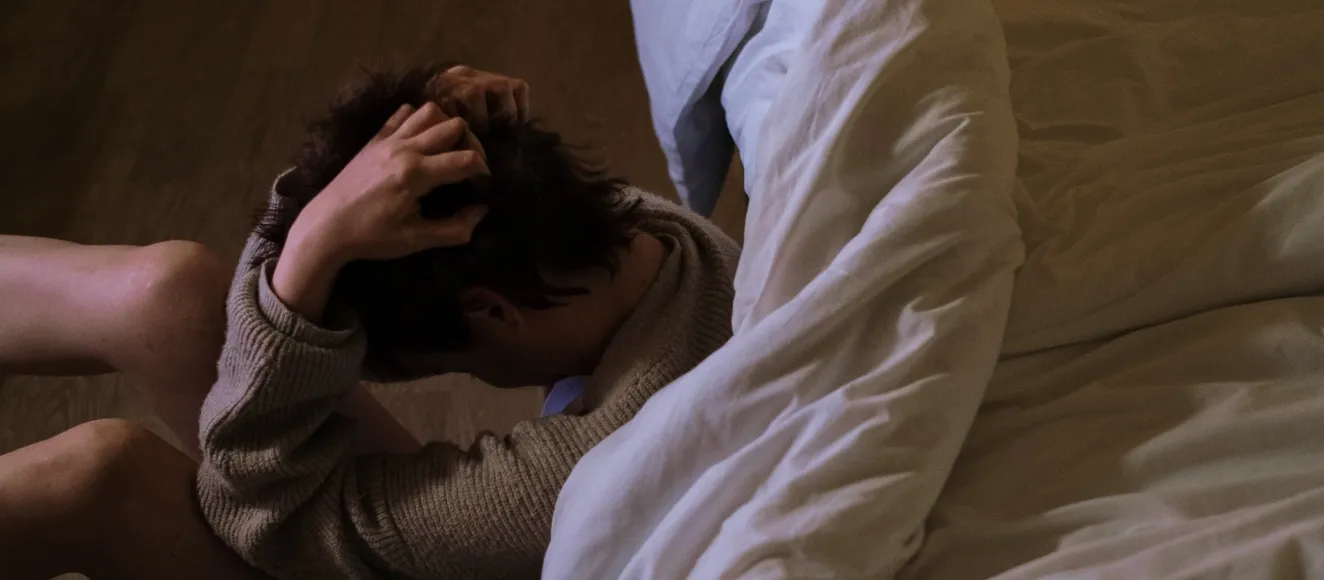
  • A person sits on the floor beside a bed in dim light, head bowed with a hand in their hair

    Why is My Anxiety Worse at Night?

    Most of our thoughts quiet down when it's time for bed. However, many people feel overwhelming, anxious thoughts at night.

    Read Article
  • Black-and-white view from above of a lone person in a dark coat walking across a floor split by light and shadow

    Atypical Depression

    While depression often "numbs" people's ability to react to the world around them, positive stimuli can boost the mood of someone with atypical depression.

    Read Article
  • Woman with a ponytail resting her head in her hands, looking down at a laptop on a desk beside a teal mug

    Can you Get Addicted to Adderall? Yes. Here's How and the Risks of Abuse

    Adderall is a misunderstood prescription drug used to treat ADHD. Some people claim Adderall is a "study drug," but it's actually highly addictive.

    Read Article

FAQ

Questions are a natural place to begin.

Explore common questions about Sequoia’s programs, insurance, and getting started.

How do I know which level of care is right for me?

You don’t have to figure it out alone. Our admissions team will learn about your concerns and work with our clinical team to help determine an appropriate level of care, whether residential, partial hospitalization, or intensive outpatient treatment.

Does Sequoia treat mental health conditions, substance use, or both?

Sequoia provides primary mental health treatment with support for co-occurring substance use, so both can be addressed together in one plan.

Can I use my insurance for treatment?

Sequoia works with many major insurance plans. Our admissions team can verify your benefits, explain our network status with your plan, and discuss estimated costs before treatment begins.

Can I receive treatment while living at home or working?

Yes. Partial hospitalization, intensive outpatient, and virtual IOP programs let you return home each day, and outpatient care is scheduled around work, school, and family life.

Can I contact Sequoia for a loved one or refer a client?

Yes. Families can find practical guidance for supporting a loved one, and clinicians or community professionals can connect with Sequoia to start a referral.

Ready to Start Your Healing Journey?

You do not have to know exactly what you need before reaching out. Our admissions team can help you understand the next step.

Call Now