
Sequoia Journal

Thoughtful guidance for life, treatment, and recovery.

Plain-language articles from a trauma-informed, person-first perspective.

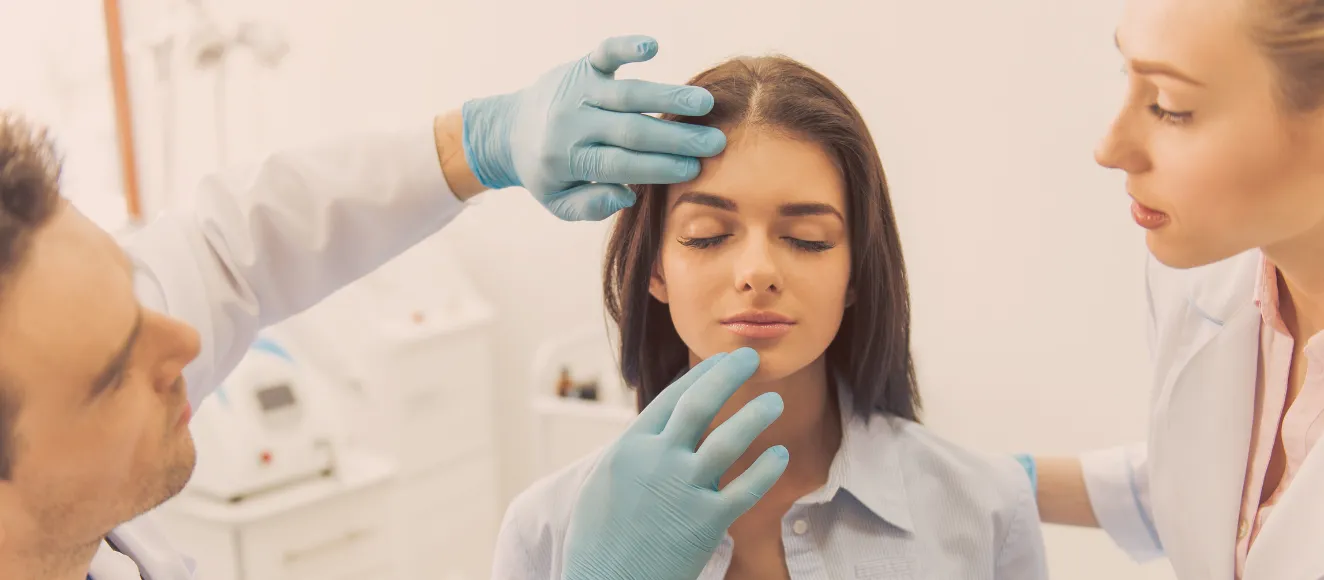
  • Clinicians in blue gloves examining the face of a woman who sits with her eyes closed

    Plastic Surgery Addiction

    Plastic surgery addiction causes people to feel like they never look good enough, which leads them to getting frequent, even dangerous, cosmetic procedures.

    Read Article
  • Woman in a green coat with a backpack looking down while standing beside a brick wall on a sunny street

    What to Know About Setting Goals for Treatment

    Treatment goals reflect what you want out of therapy. Discover goals to work on in therapy, why treatment goals are important, and how to set them.

    Read Article
  • A person in pajamas lies on a bed holding an open book above their face, with a phone and books nearby

    Stimulants vs Depressants

    Stimulants increase bodily functions, while depressants decrease them. Learn why abusing either can lead to adverse health effects as well as addictions.

    Read Article
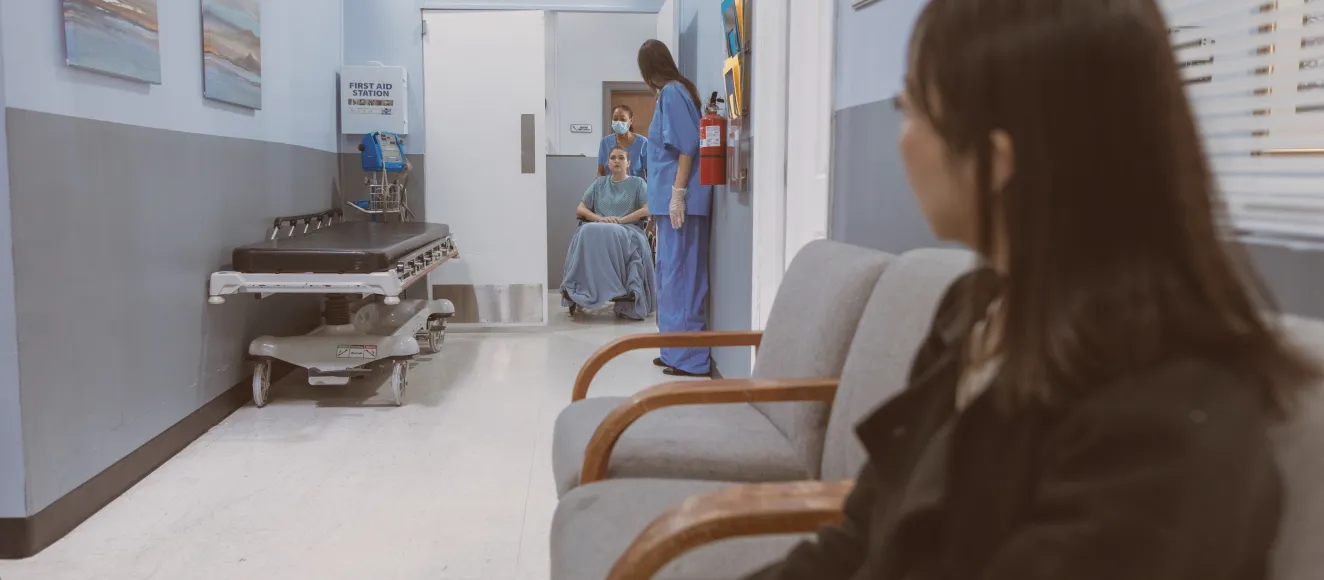
  • A woman sits in a hospital waiting area in the foreground while medical staff and a patient in a wheelchair stand down the hall

    The Dangers of Mixing Trazodone and Alcohol

    We know mixing drugs can be dangerous. What exactly happens when you mix trazodone and alcohol?

    Read Article
  • A woman rests a hand on the shoulder of a bearded man standing with arms crossed on a tree-lined road

    Types of Avoidant Attachment Styles: Fearful and Dismissive

    Avoidant attachment styles are developed during childhood and make having deep relationships challenging, but can be treated with therapy.

    Read Article
  • A child in a yellow raincoat pushes through thin tree trunks in a forest

    Types of Trauma Responses

    How we respond to trauma is hard-wired into our brains, but people still respond to trauma incredibly differently. Learn more about trauma responses, including how they overlap with each other.

    Read Article
  • An older man in a coat and cap sits on a wooden crate on a beach, facing the waves

    Understanding the Cycle of Addiction

    The cycle of addiction refers to the thoughts and behaviors that start with an emotional trigger that leads to substance use.

    Read Article
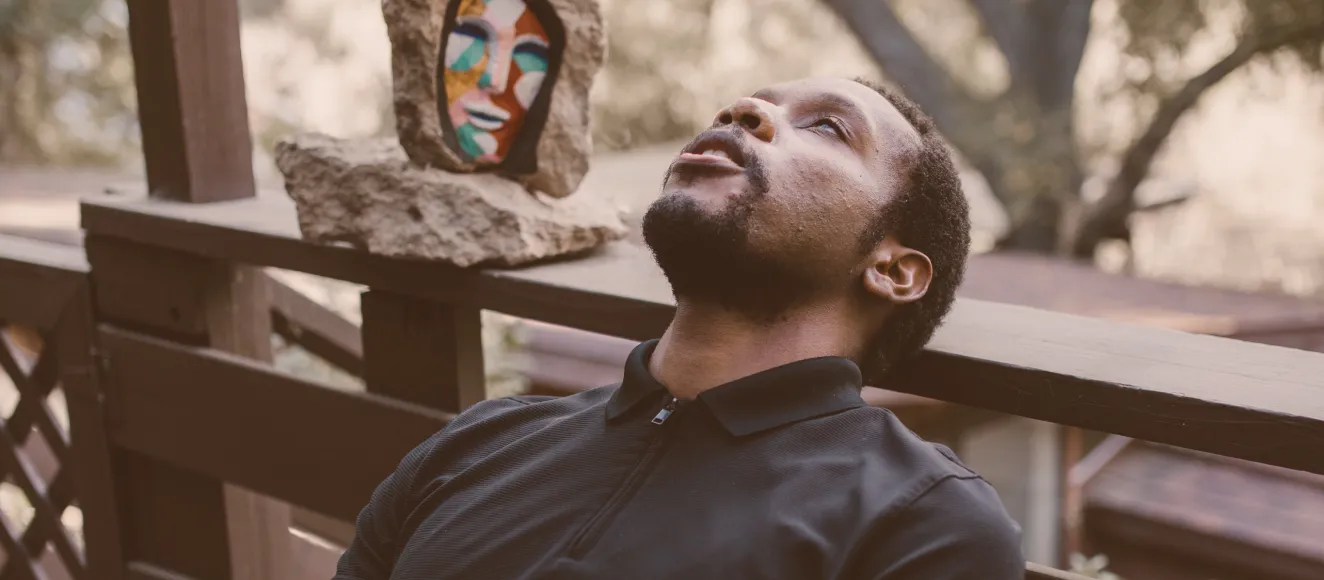
  • A man sits on an outdoor deck with his head tilted back and eyes nearly closed

    What is Delayed-Onset PTSD?

    Some people who experience trauma won't show symptoms of PTSD until months or years after the event. Learn why that happens.

    Read Article
  • A bearded man in a black zip jacket grimaces and points angrily while seated at a table

    What to do if Your Therapist Upsets You

    Confrontation in therapy could cause you to feel upset. Discover where confrontation comes from, and what to do if your therapist upsets you.

    Read Article

FAQ

Questions are a natural place to begin.

Explore common questions about Sequoia’s programs, insurance, and getting started.

How do I know which level of care is right for me?

You don’t have to figure it out alone. Our admissions team will learn about your concerns and work with our clinical team to help determine an appropriate level of care, whether residential, partial hospitalization, or intensive outpatient treatment.

Does Sequoia treat mental health conditions, substance use, or both?

Sequoia provides primary mental health treatment with support for co-occurring substance use, so both can be addressed together in one plan.

Can I use my insurance for treatment?

Sequoia works with many major insurance plans. Our admissions team can verify your benefits, explain our network status with your plan, and discuss estimated costs before treatment begins.

Can I receive treatment while living at home or working?

Yes. Partial hospitalization, intensive outpatient, and virtual IOP programs let you return home each day, and outpatient care is scheduled around work, school, and family life.

Can I contact Sequoia for a loved one or refer a client?

Yes. Families can find practical guidance for supporting a loved one, and clinicians or community professionals can connect with Sequoia to start a referral.

Ready to Start Your Healing Journey?

You do not have to know exactly what you need before reaching out. Our admissions team can help you understand the next step.

Call Now