
Sequoia Journal

Thoughtful guidance for life, treatment, and recovery.

Plain-language articles from a trauma-informed, person-first perspective.

  • Young man in a yellow sweater seated on a chair facing the camera, with a blurred yellow reflection beside him

    Depersonalization-Derealization Disorder vs. Schizophrenia

    Both schizophrenia spectrum disorders and depersonalization-derealization disorders create an altered sense of reality. What makes them different?

    Read Article
  • Woman seen from behind holds colorful shopping bags over her shoulder on a street

    How to Stop a Shopping Addiction

    Shopping addiction can have dire consequences mentally and financially. Recovery is possible with counseling and coping strategies.

    Read Article
  • Woman with long wavy hair seen from behind, facing a round mirror that reflects her

    How to Stop Being a Narcissist

    Narcissistic behaviors can be expressed by anyone. This article explains what narcissism is and how to stop the behaviors that negatively affect your relationships.

    Read Article
  • Silhouette of a person standing near the top of a tall ladder reaching one hand toward the blue sky

    The Polyvagal Theory Ladder

    The polyvagal theory introduced another part of our nervous system beyond fight or flight and rest. The polyvagal theory ladder describes how we move between these different stages of alertness.

    Read Article
  • Silhouette of a person standing in a dark doorway looking out at a calm, gray sea

    What to Tell Someone Who Relapsed

    The best things to say to someone who's relapsed will be encouraging and point them back to their treatment journey. Learn more about the best things to say to a loved one who's experienced a relapse during recovery.

    Read Article
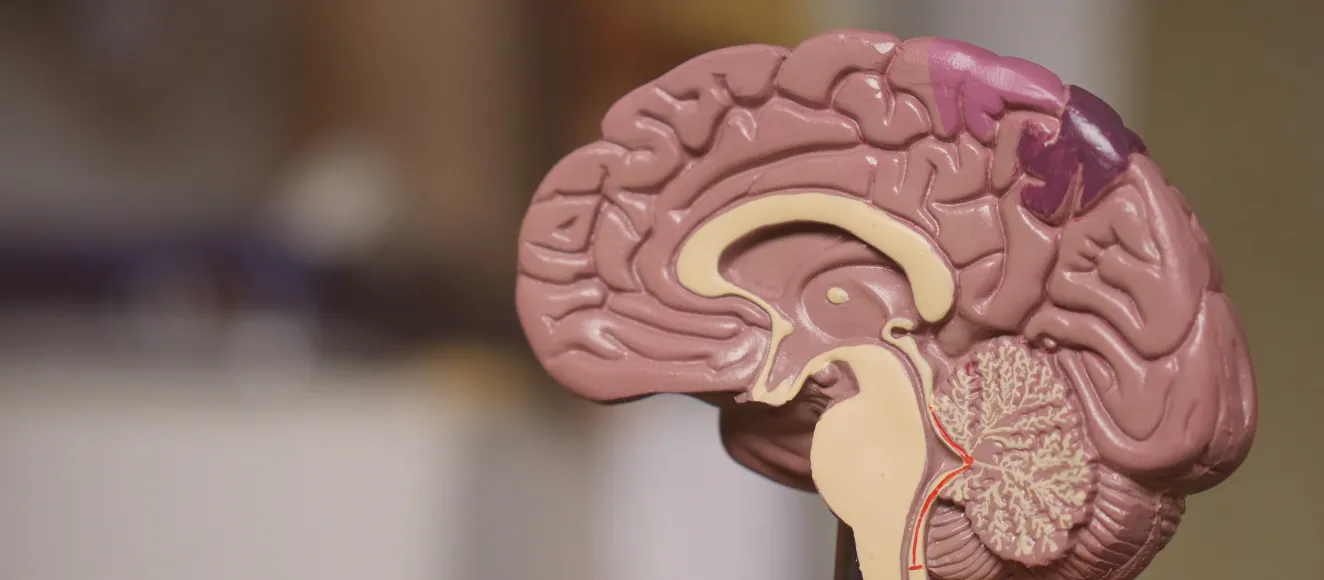
  • A colorful anatomical model of a human brain in cross-section

    What is Borderline Schizophrenia?

    Borderline personality disorder and schizophrenia share several symptoms. Learn if they can be diagnosed together as borderline schizophrenia.

    Read Article
  • Person with long red hair and tattooed arms sits on a couch in a dim room, covering their face with both hands

    Isolation and Addiction

    Learn about the relationship between isolation and addiction, how this relationship develops, and how to break free from it.

    Read Article
  • Person seen from behind sitting outdoors, looking out over a blurred forest, with a boulder in the foreground

    Meditations for Mental Health

    Meditation is a simple practice that anyone can learn. Discover mindfulness meditations for mental health struggles like stress, anxiety, and depression.

    Read Article
  • Man glancing over his shoulder through blurred bars, with a city waterfront behind him at sunset

    Mental Health Crisis: What They Look Like and What to Do

    Learn what you need to know about a mental health crisis before experiencing one.

    Read Article

FAQ

Questions are a natural place to begin.

Explore common questions about Sequoia’s programs, insurance, and getting started.

How do I know which level of care is right for me?

You don’t have to figure it out alone. Our admissions team will learn about your concerns and work with our clinical team to help determine an appropriate level of care, whether residential, partial hospitalization, or intensive outpatient treatment.

Does Sequoia treat mental health conditions, substance use, or both?

Sequoia provides primary mental health treatment with support for co-occurring substance use, so both can be addressed together in one plan.

Can I use my insurance for treatment?

Sequoia works with many major insurance plans. Our admissions team can verify your benefits, explain our network status with your plan, and discuss estimated costs before treatment begins.

Can I receive treatment while living at home or working?

Yes. Partial hospitalization, intensive outpatient, and virtual IOP programs let you return home each day, and outpatient care is scheduled around work, school, and family life.

Can I contact Sequoia for a loved one or refer a client?

Yes. Families can find practical guidance for supporting a loved one, and clinicians or community professionals can connect with Sequoia to start a referral.

Ready to Start Your Healing Journey?

You do not have to know exactly what you need before reaching out. Our admissions team can help you understand the next step.

Call Now