
Sequoia Journal

Thoughtful guidance for life, treatment, and recovery.

Plain-language articles from a trauma-informed, person-first perspective.
  • Blurred silhouette of a person standing in a dim hallway in front of a bright window

    How to Stop Dissociating

    Dissociating disconnects us from ourselves and the world around us. Discover what dissociation feels like and how to stop it when it occurs.

    Read Article
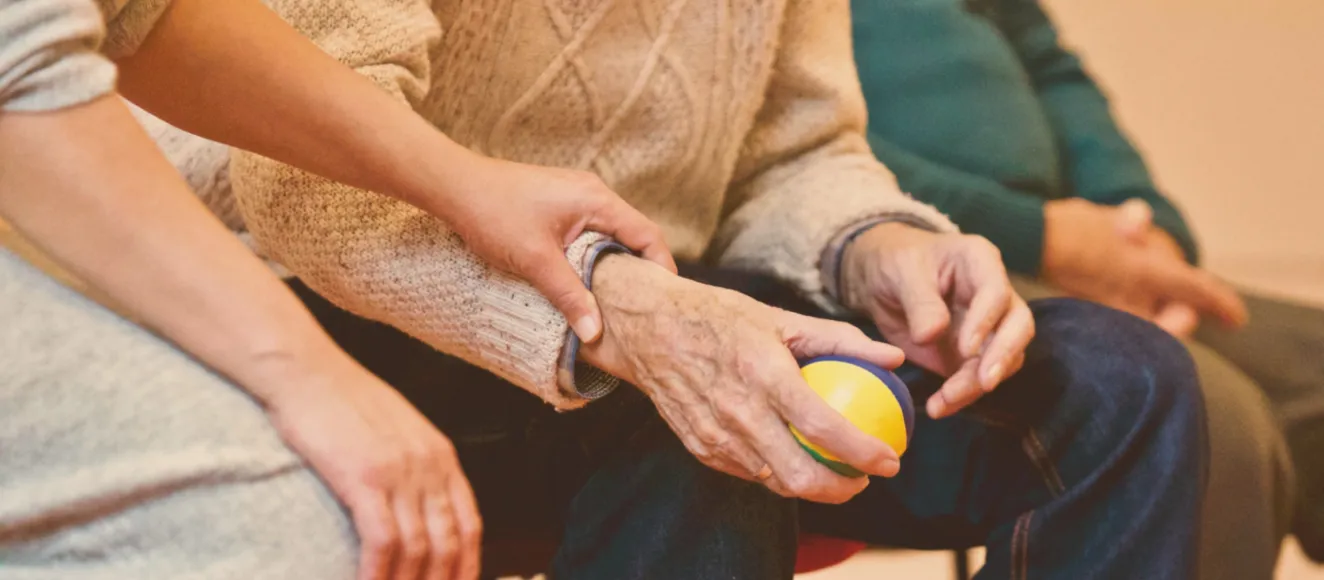
  • A caregiver holds the forearm of an older person who grips a small yellow and blue ball

    What's the Difference Between OxyContin and Oxycodone?

    OxyContin and oxycodone are both opioid painkillers. Learn the difference between OxyContin vs oxycodone and the risk of addiction for both.

    Read Article
  • Two people sit on tree stumps talking beside a lake at sunset

    How to Build a Support System

    Support systems are an important part of long-term mental health recovery and addiction recovery. Learn how to build one here.

    Read Article
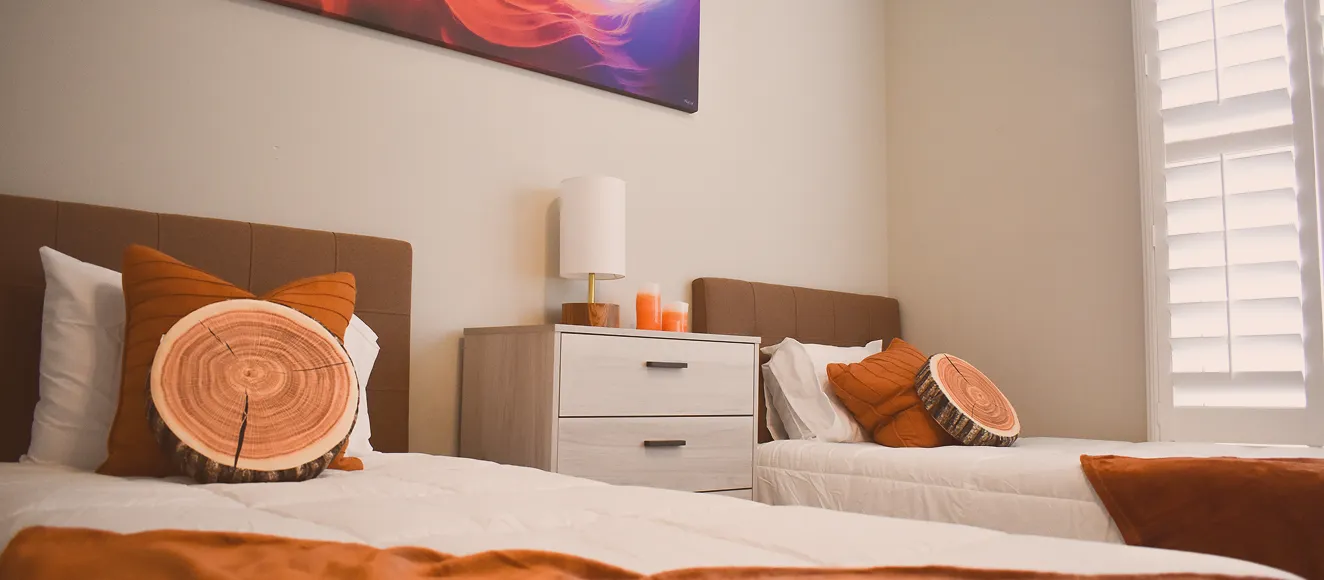
  • A comfortable bedroom with two twin beds, rust-colored pillows, a nightstand with a lamp, and a window with shutters

    When Is Residential Treatment Necessary?

    Residential treatment provides consistent care in a comfortable environment. Discover when it's necessary and what to expect in residential treatment.

    Read Article
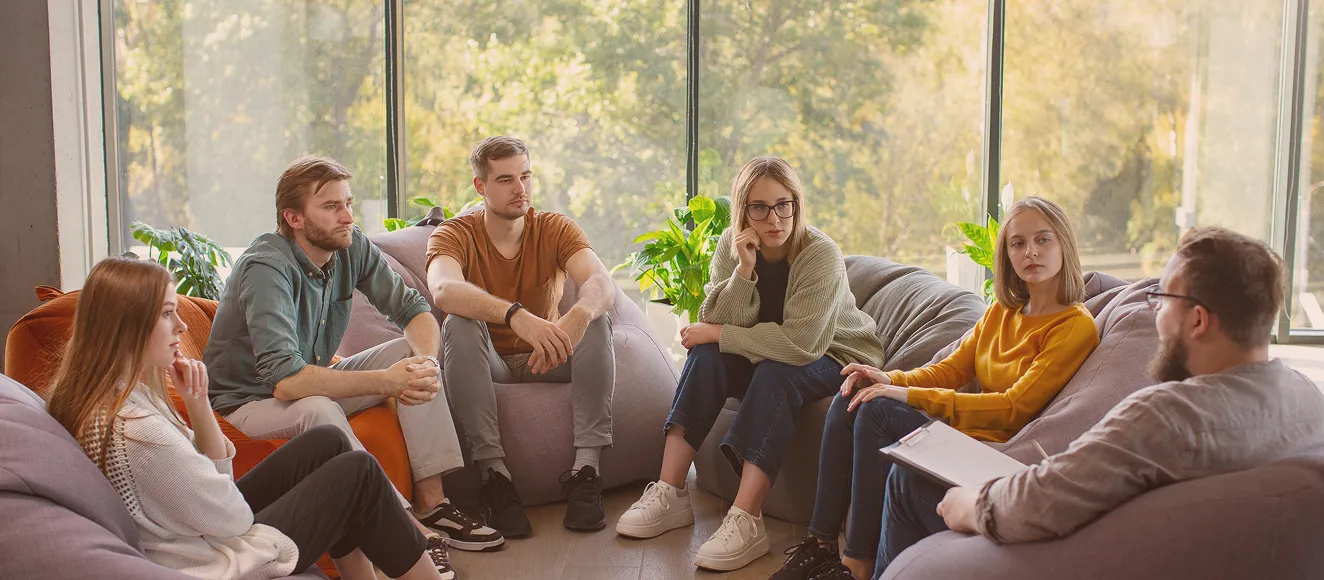
  • Six people seated in a circle on bean bags and chairs in a bright room with a facilitator holding a clipboard

    What Does a Mental Health Support Group Look Like?

    Support groups can be a helpful way to find support for mental health struggles from a community of like-minded people. Learn what to expect here.

    Read Article
  • Two people in an orange-and-black hammock strung between trees beside a river, one writing in a notebook

    Exploring the Mind-Body Connection

    Explore the mind-body connection and learn how this connection can be used to treat and understand physical and mental ailments.

    Read Article
  • Woman in white pressing her fingers to her forehead with eyes closed while a man rests on the bed behind her

    7 Stages of Trauma Bonding

    Trauma bonding refers to the relationship between an abuser and an abuse victim, rather than a relationship formed between people who have experienced trauma.

    Read Article
  • Overhead view of a person in shorts and sneakers lying on asphalt with an arm across their face

    The Connection Between Exercise and Addiction Recovery

    We know that exercise can boost your mood, but can it be an effective tool in addiction recovery? In short, the answer is yes! Learn how it helps and how to add an exercise routine into your treatment.

    Read Article
  • Woman with curly hair in a patterned sweater resting her head on her hand in a parked car on a rainy day

    Catastrophizing: What It Is, Why We Do It, & How to Stop

    Catastrophizing makes us believe that everyday stress can turn into worst-case scenarios. Learn what catastrophizing is, why we do it, and how to stop.

    Read Article

FAQ

Questions are a natural place to begin.

Explore common questions about Sequoia’s programs, insurance, and getting started.

How do I know which level of care is right for me?

You don’t have to figure it out alone. Our admissions team will learn about your concerns and work with our clinical team to help determine an appropriate level of care, whether residential, partial hospitalization, or intensive outpatient treatment.

Does Sequoia treat mental health conditions, substance use, or both?

Sequoia provides primary mental health treatment with support for co-occurring substance use, so both can be addressed together in one plan.

Can I use my insurance for treatment?

Sequoia works with many major insurance plans. Our admissions team can verify your benefits, explain our network status with your plan, and discuss estimated costs before treatment begins.

Can I receive treatment while living at home or working?

Yes. Partial hospitalization, intensive outpatient, and virtual IOP programs let you return home each day, and outpatient care is scheduled around work, school, and family life.

Can I contact Sequoia for a loved one or refer a client?

Yes. Families can find practical guidance for supporting a loved one, and clinicians or community professionals can connect with Sequoia to start a referral.

Ready to Start Your Healing Journey?

You do not have to know exactly what you need before reaching out. Our admissions team can help you understand the next step.

Call Now